
The Model

The Model

One system, three doors in. Where a cohort starts is up to them to choose.

What is it?

The system will follow a Mosaic Curriculum rather than a linear one; no single operation will be carried out first. A group may begin by examining the needs of the therapy center and then move backward to consider land ownership, or they may start with the land and proceed from there. Either approach will be an example of the curriculum functioning as intended. What will remain unchanged is the underlying structure: the REIC will own the land and the building, while farming, equipment sharing, and the therapy center will each lease their space as members, not as tenants, with the purpose of the lease being defined from the beginning.

Farming and equipment sharing will generate revenue of their own. Two things will happen with it:

  • A return will go to the REIC.
  • Support will go to the therapy center, because behavioral health will be a necessary condition for a whole community to thrive.
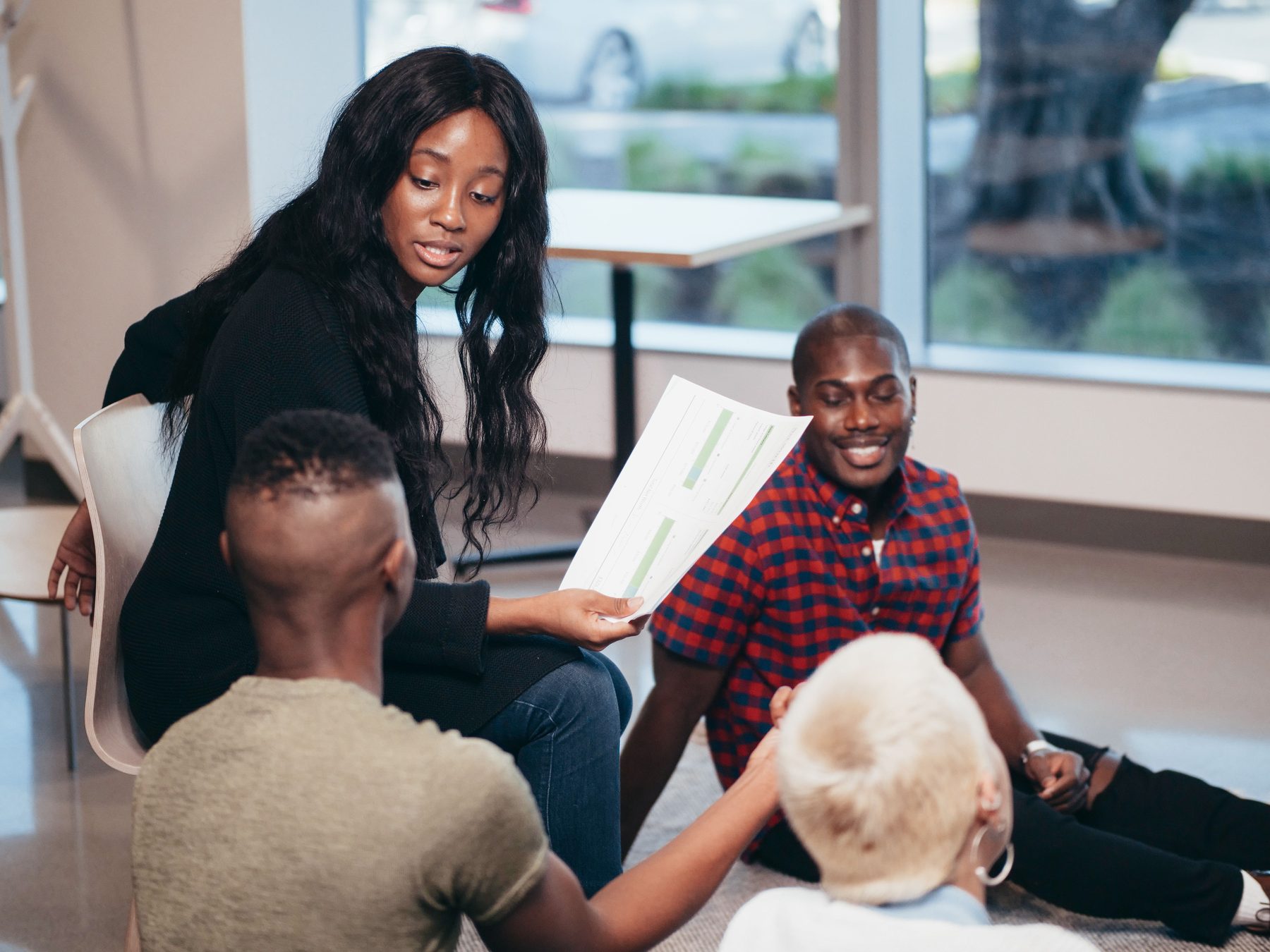
As a cohort explores the mosaic, TREC's AI will work alongside them, never ahead. It will be able to synthesize what is already known and push back when something a cohort is building appears disconnected from what similar work typically requires, but it will never approve, decide, or lock anything in. That authority will stay with the humans in the room. The AI will stay quiet while people are still thinking something through, and will speak up only when a choice becomes real, a decision the group is about to commit to, or a plan about to move forward. Even then, it will be raising a concern for people to weigh, not issuing a verdict. If the AI stays silent, that silence will never count as permission. The people building the cooperative will be the ones who decide.

Why explore it this way?

Most care programs will run on grants — funding that will have to be re-won every year, and that will shrink first when a foundation tightens its own budget. Altera Studio will teach a different structure. In this model, the REIC will own the land, the AEC will generate revenue through farming and equipment sharing, and that revenue will help sustain the therapy center alongside its own care-related income. For the patients a therapy center like this will serve, that will mean services will stay available whether or not a given year's grant round comes through.

How it works — two roles, one build

Here's what actually happens. A community organizes around a shared need. A local college teaches them how to govern and structure a cooperative. A credit union partner sponsors that education, brings real-world lending and underwriting knowledge into the room to help ground what's being taught, and finances the land, building, and equipment the community identifies as its priority. TREC's platform — Altera Studio, SkyDeck Finance, Stream.place — keeps every phase visible to every member, from first meeting to federated network. The five phases below walk through that sequence.

For Members: You Enroll, You Build, You Own

You enroll in Altera Studio at your local community college, and your credit union partner is already present — sponsoring the course, helping test what you're learning against how capital actually works in practice, and financing what comes next. Across the five phases, you go from a group of neighbors to the owners of a working cooperative.

For Credit Unions: You Sponsor, You Support, You Back

Your role runs through every phase: you sponsor the course, bring your own lending and underwriting experience to help members see how what they're learning applies in practice, and put capital to work as your members move from planning to building. You meet future members early — not as their instructor, but as someone helping them test what they're learning against real conditions — and every dollar you commit stays visible through SkyDeck Finance.

The Five Phases

Phase 1: Organizing — A Community Learns to Build

When someone expresses interest, TREC will connect them with others who share it. A partner college will deliver teaching on co-op organizing, decision-making, and governance through Altera Studio — a single, integrated curriculum for how a federation operates and how different members contribute. The group will also set up systems in Nextcloud and build governance and finance literacy through SkyDeck Education as part of the course. The program will be recorded on Stream.place from the first day and will conclude with a team formed, a shared understanding reached, and a public record of how the cooperative came into existence.

Phase 2: Planning — A Community Decides What's Possible

The group will assess the land and building and explore REIC financing, along with the operations it could support—farming, equipment sharing, and care. Members won't be assigned a role. They'll explore all three and find where they fit: financing and organizing the land, running an operation with its own income, or providing care the whole community shares the cost of. The credit union partner will join in — not to tell the community what it can afford, but to show the range of what's possible. SkyDeck Education and SkyDeck Finance will help the cohort model the options. The cohort will then choose its priorities, run a feasibility study, survey the community, and develop concepts before deciding how to move forward.

Phase 3: Implementing — A Community Raises Capital and Builds

A capital campaign will launch. The credit union partner will handle shared funds through SkyDeck Finance, so every member can see where money comes from and where it goes. The REIC will acquire the land and building. At the same time, the farming operation, the equipment-sharing operation, and the therapy center will begin to take shape — three connected pieces standing up together, not one before the others. Nextcloud will keep the cohort's records and coordination in one place. Progress will be recorded on Stream.place, showing the groundbreaking, the construction, and the work that goes into building something meant to last.

Phase 4: Sustaining — A Community Owns What It Built

After the initial work is complete, the cooperative will look after its own affairs. The REIC will hold the land and building. The farming operation and equipment-sharing operation will generate their own revenue, and a share of it will support the therapy center — set aside by design, not left to depend on a grant cycle. Nextcloud, SkyDeck Finance, and SkyDeck Education will stay in regular use as members run the organization, welcome new members, and decide where to go next. The cohort's progress will continue to be broadcast on Stream.place, so the next cohort can learn from what this one built.

Phase 5: Federating — A Community Becomes a Node in a Cooperative Network

The cooperative won't stand alone. It will grow because different members bring different things to it — some will provide the investment that makes a new site possible, some will run operations and carry that expertise to a new community, some will hold the knowledge of sustaining a mission without depending on grants. How those roles get defined and balanced will be something each federation works out as it grows. Stream.place will carry this forward, letting future members watch earlier cohorts succeed, see what federating made possible, and decide whether to follow the same path. What one community builds locally will strengthen every node, and members will decide how far the connections reach.

© 2026 The Rose Encoded, LLC · theroseencoded.com · Portland, Oregon The Rose Encoded, LLC is a technology provider. It does not accept deposits, exchange currency, or issue financial products. The products described here are in development and, when available, will be offered by partner credit unions, subject to applicable federal and state regulations. Contributions to The Rose Encoded are donations that support software development. They are not deposits, investments, or purchases, and they confer no financial product, interest, return, or ownership stake of any kind.